


March 25, 2026
Company
Jizoku Inc. Announces the Selection of Its Republic of the Philippines Forest Carbon Credit Research Project for the Ministry of Economy, Trade and Industry Supplementary Reiwa 6 Global South Future Focused Collaborative Creation Enterprise Subsidy (Small Scale Demonstration and Feasibility Study Project): Investigating the Potential of Creating Carbon Credits for the JCM Through Afforestation in the Philippines
Jizoku Inc. (Head Office: Kunitachi City, Tokyo; CEO: Keiichiro Kataoka) is pleased to announce that on 5 February 2026, its ‘Forest Carbon Credit Survey Project in the Republic of the Philippines’ was selected for the Ministry of Economy, Trade and Industry’s FY2024 Supplementary Budget Grant for Future-Oriented Co-creation Projects in the Global South (Small-scale Demonstration and Feasibility Study Projects).
The selected project aims to comprehensively investigate the potential for generating carbon credits for the Joint Crediting Mechanism (JCM) through afforestation and forest restoration in the Republic of the Philippines, with the objective of contributing to climate change mitigation and sustainable regional development.
Background and Objective
As global efforts towards decarbonization intensify, the generation of carbon credits in the forestry sector has become a key pillar of climate change mitigation. While the Philippines possesses abundant forest resources, the development of technologies and systems for sustainable forest management and regeneration remains a challenge. This project aims to verify the technical and institutional feasibility of afforestation and forest regeneration, while also establishing a framework that links our expertise in the JCM (Joint Crediting Mechanism) with local needs.
Project Overview
This study will examine the potential for generating carbon credits in the Philippines, focusing on the following areas:
- Selection of candidate sites for forest regeneration activities and afforestation alongside technical verification
- Evaluation of methodologies for carbon credit calculation and monitoring
- Investigation of local legal systems, land use rights and frameworks for community participation
- Examination of credit issuance schemes utilizing the JCM system
Through these endeavors, we will pursue the realization of multifaceted value, such as regional employment generation, ecosystem conservation and sustainable land use, extending far beyond the mere creation of environmental value.
Initiatives by Jizoku
Jizoku utilizes the JCM and J-Credit schemes to promote the creation and utilization of carbon credits, with a focus on the agriculture and forestry sectors. We provide comprehensive support ranging from project development through measurement, reporting and verification (MRV) to credit issuance and strategic utilization, offering solutions that make the value of natural resources visible. Taking this selection for the Ministry of Economy, Trade and Industry (METI)-administered grant program as an opportunity, we will further accelerate our international activities, treating this as a crucial step in our future overseas expansion.
Future Outlook
Based on the results of this research, we will verify the commercial feasibility of generating forest derived carbon credits in the Philippines and proceed toward the implementation of projects in collaboration with local partners and communities. Ultimately, we aim to popularize this carbon credit generation model originating from Japan across Asia and various Global South nations, consequently leading initiatives that strive to harmonize decarbonization with sustainable regional development.
About the Subsidy Scheme
The Supplementary Reiwa 6 Global South Future-Oriented Co-Creation Enterprise Subsidy (Feasibility Study and Small-Scale Demonstration Project) is a system designed to support Japanese enterprises in their collaboration and commercialization efforts within the Global South markets. Through financial assistance for bilateral feasibility studies and small-scale demonstration projects, this system targets the resolution of local challenges and the realization of economic partnerships.
Related news

April 20, 2025
Company
Jizoku Inc. Raises 71 Million Yen in Seed Round Funding
Jizoku Inc. (Headquartered in Kunitachi City, Tokyo; CEO: Keiichiro Kataoka) has announced the successful raising of a total of 71...
November 17, 2025
Company
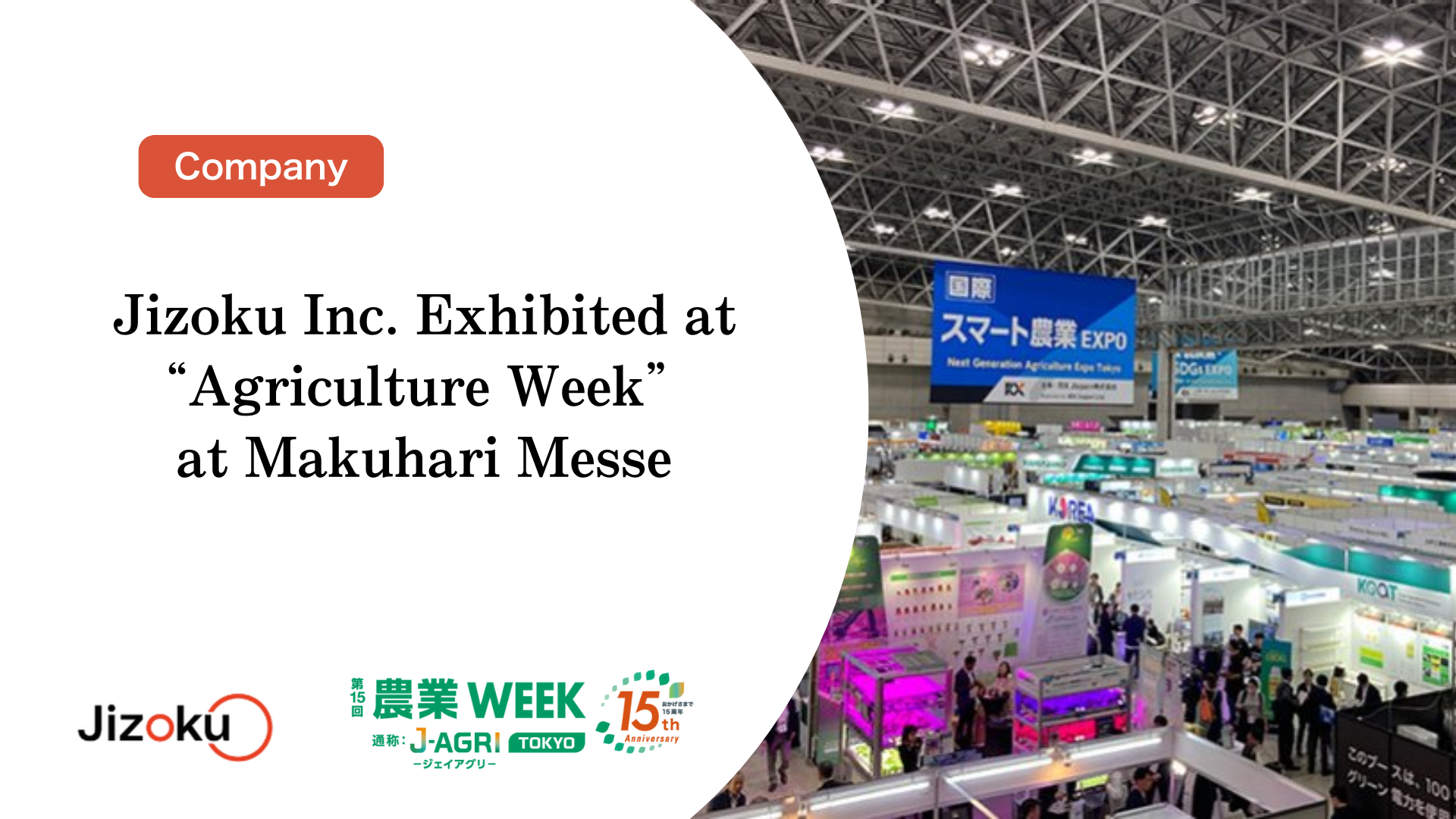
Jizoku Inc. Exhibited at “Agriculture Week” at Makuhari Messe
Jizoku Inc. (CEO: Keiichiro Kataoka) participated in “Agriculture Week”, held from October 1–3, 2025, at Makuhari Messe in Chiba, Japan....
November 3, 2025
News
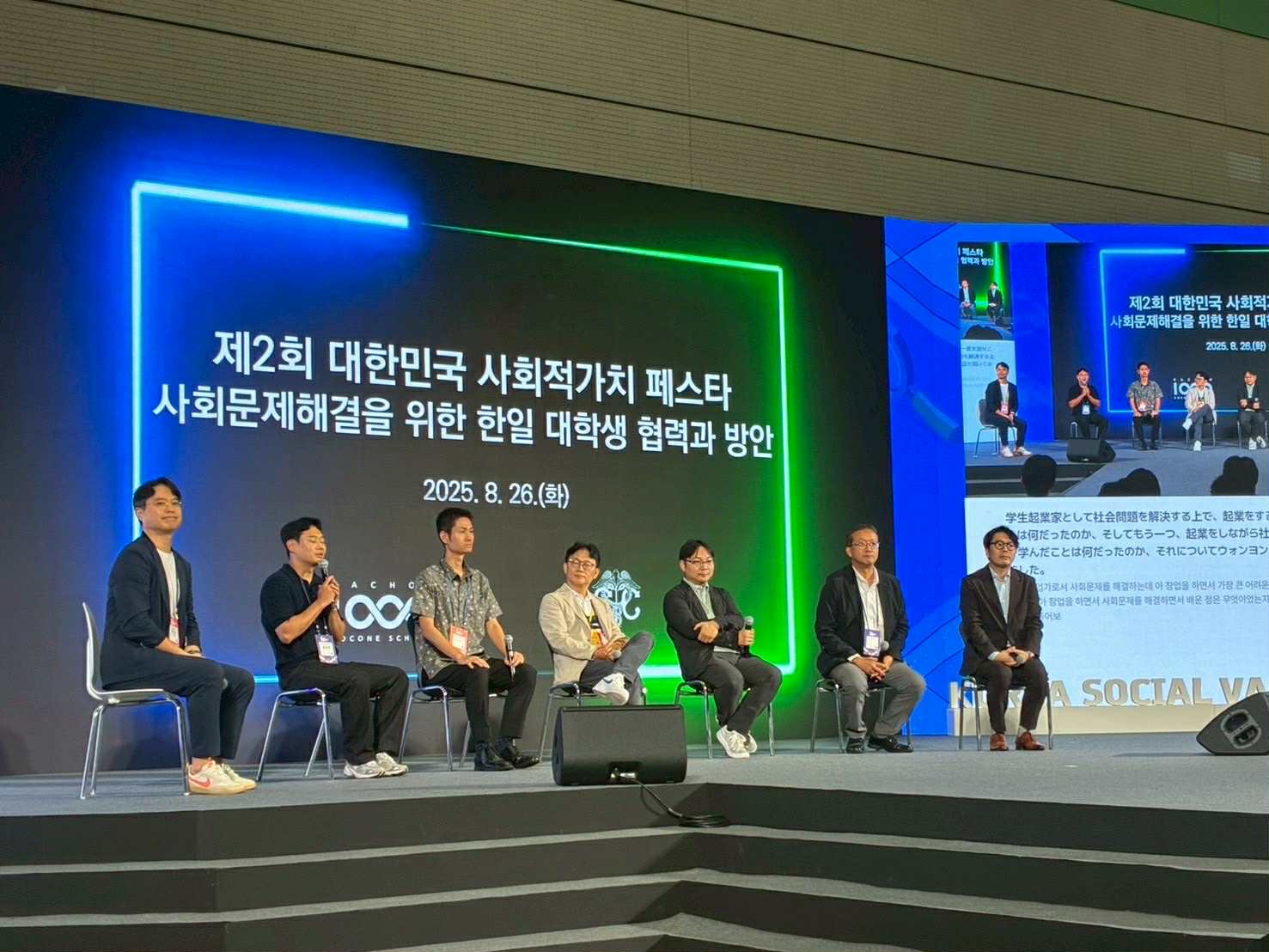
Jizoku Inc. CEO Kataoka Speaks at Korea Social Value Festa 2025
Jizoku Inc. announced that its CEO, Keiichiro Kataoka, participated as a speaker at the Korea Social Value Festa (KSVF) 2025,...
February 25, 2025
Company
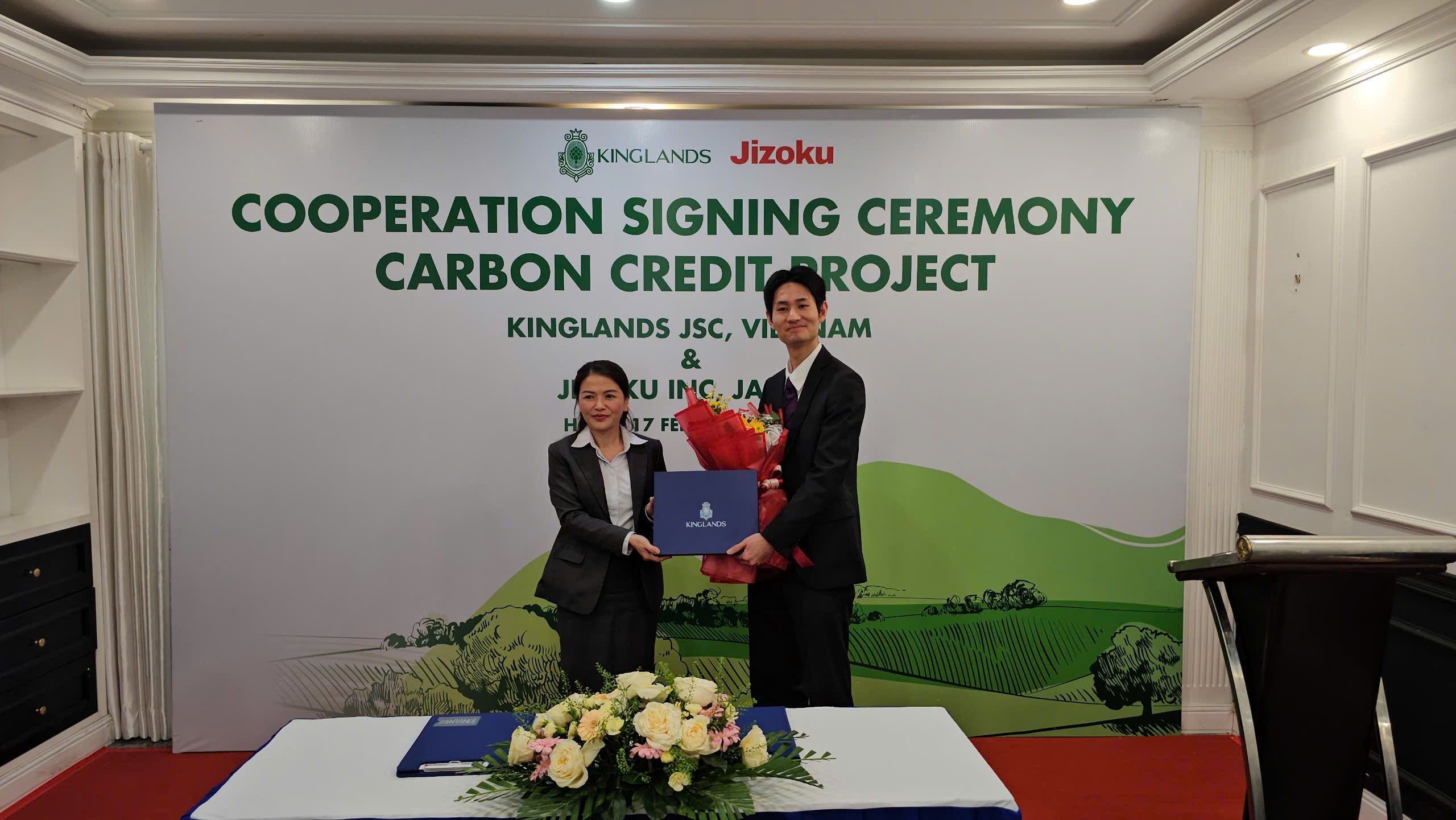
Jizoku Inc. Announces MOU Signing with Kinglands JSC
Jizoku Inc. (hereinafter “Jizoku”), a company dedicated to promoting sustainable agriculture, has entered into a Memorandum of Understanding (MOU) with...

November 13, 2025
Company
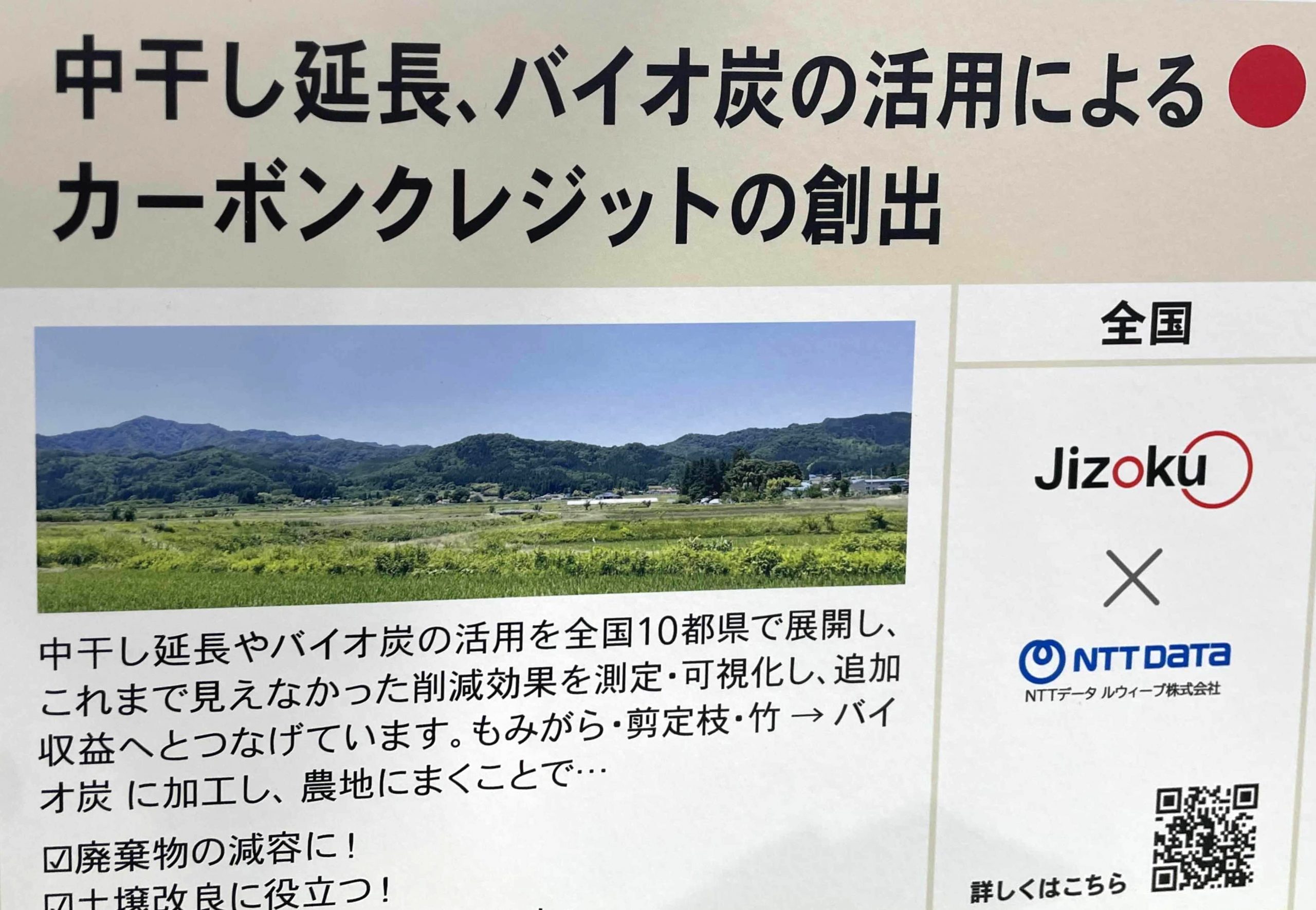
Jizoku Hosts Site Visit for Corporate Partners to Explore Carbon Credit Initiatives
Jizoku Inc. (Kunitachi, Tokyo) recently organized a site visit for representatives from major corporations to meet and engage with farmers...
December 25, 2025
News
Jizoku Inc. Exhibited at “Agriculture Week” at Makuhari Messe
Jizoku Inc. (CEO: Keiichiro Kataoka) participated in “Agriculture Week”, to held from October 1–3, 2025, at Makuhari Messe in Chiba,...

November 14, 2025
Company
Jizoku Inc. Featured in Hitotsubashi University PR Magazine “HQ”
Jizoku Inc. (CEO: Keiichiro Kataoka) is pleased to announce that our company and CEO have been featured in Hitotsubashi University’s...
June 30, 2025
Company
Jizoku Inc. Recognized as Hitotsubashi University’s First Startup Venture Addressing Climate Change at U7+ Alliance Summit
Jizoku Inc. is pleased to announce that President Nakano of Hitotsubashi University introduced it as the first officially recognized “startup...